
On December 1, Ma Chaojun, Mayor of Nanjing, transferred in effect the administration of the Nanjing Safety Zone to the Committee. He handed over to the Committee 30,000 sacks of rice, 10,000 sacks of flour, and some deposit slips for salt, and promised to allocate 100,000 yuan in Fiat Currency (the currency under the Nationalist Government) and 450 policemen. John Rabe became “Executive Mayor of Nanjing”.
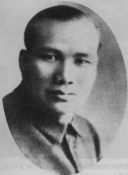
Ma Chaojun, Mayor of Nanjing before the fall of the city in 1937
The International Safety Zone then was in charge of the following aspects: Safeguarding the Security in the Safety Zone; Refugee Placement; Food Supply; Establishment of Sanitary Facilities; Hospital Emergency; Police Management.
Safeguarding the Security
 To ensure the security of the Safety Zone, Rabe and others decided to set up roadblocks and security lines at all the entrances and exits of the Safety Zone. Policemen wearing safety zone armbands stood sentry at each post with pistols in hands, examining everyone who wanted to enter the zone and guarding the border of the Safety Zone.
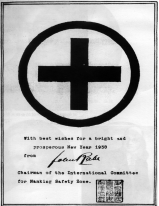
Symbol of the Safety Zone: A Red Cross within a Red Circle


Rabe and his friends created a miracle under such circumstances. Covering one eighth of the entire city, the Safety Zone was the only oasis that escaped from fires or arson attacks by the Japanese troops. Thanks solely to the effective protection from the International Safety Committee, buildings and streets inside the Safety Zone remained intact in wanton bombings by the Japanese military, including the University of Nanking, Nanking Women’s College of Arts and Sciences, Gulou Hospital and hundreds of private western-styled houses along Ninghai Road and Yihe Road. As historical heritage, their value cannot be measured monetarily.
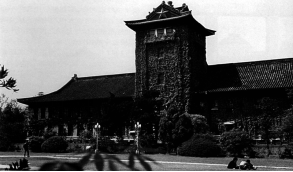
College of Science of the University of Nanking survived the Japanese arson in December, 1937
Dormitory buildings in Nanking Women’s College survived the Japanese arson in December, 1937
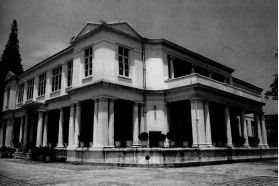
The Embassy of the U. S. A. in the Safety Zone survived the Japanese arson in December, 1937
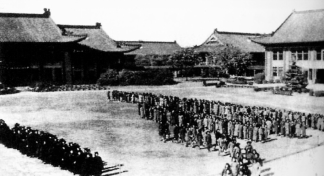
After the fall of Nanjing, nearly 300,000 refugees gathered in the Safety Zone. A few disarmed Chinese soldiers also entered the Safety Zone to seek refuge. Some high-ranking officials of the Kuomintang Army received special care from the International Committee for the Safety Zone. All the refugee camps were overcrowded to its utmost capacity.
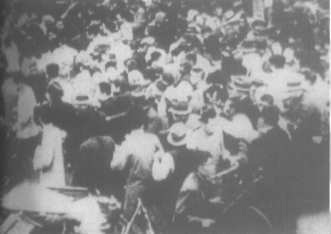
High-ranking officials of the Kuomintang army received help in the Safety Zone
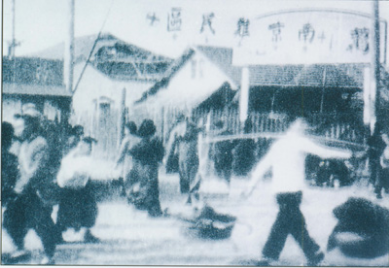
Refugees flooding into the Safety Zone (Photo 1)
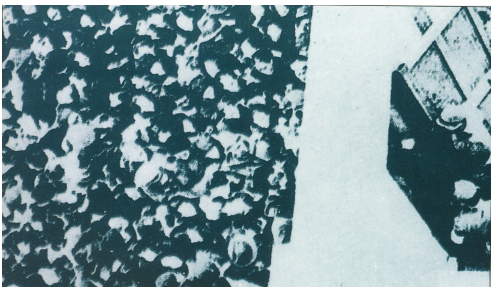
Refugees flooding into the Safety Zone (Photo 2)
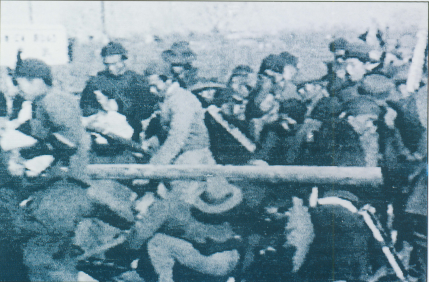
Refugees flooding into the Safety Zone (Photo 3)
To optimize the function of the refugee camps, the International Committee for Nanjing Safety Zone stipulated Regulations in the Refugee Zone, and distributed flyers of Message to the People of Nanjing, calling on people to take refuge in the Safety Zone.
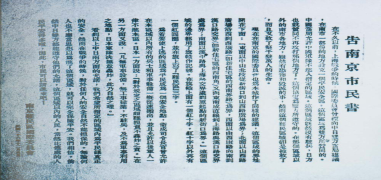
Message to the People of Nanjing
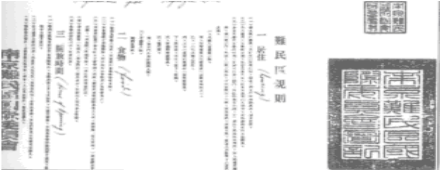
Regulations in the Refugee Zone
Food Supply
To ensure the survival of the poverty-stricken refugees, the International Committee opened three porridge stalls providing free porridge twice a day for two months. When part of the refugees returned to their former living places, the International Committee extended their relief work, setting up temporary refugee camps within the Safety Zone, taking in peasants from the suburbs, ensuring daily food supply and also helping them in disinfections and epidemic prevention.
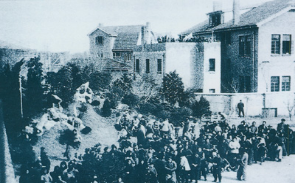
Refugees were standing in lines for relief cash outside the headquarters of the International Committee for the Safety Zone
Taking Sanitary Measures

In order to prevent the outbreak of plagues, the International Committee bought from Shanghai and shipped into Nanjing a lot of goods such as beans, cod-liver oil and medicines against diphtheria and other diseases. Meanwhile, special toilets were built, and garbage and excrements were also timely cleared. These measures were highly effective in preventing epidemics.
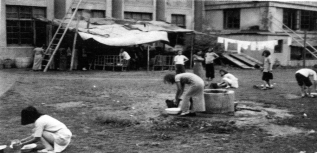
Women refugees in the Safety Zone did washing, disinfections and thorough cleaning when the weather turned warmer so as to prevent plague
Organizing Hospital Rescue
Gulou Hospital, a Christian hospital headed by Malin, a Canadian missionary, was used by the International Committee to take in and treat a great number of patients and Nanjing civilians who were wounded by the Japanese army.
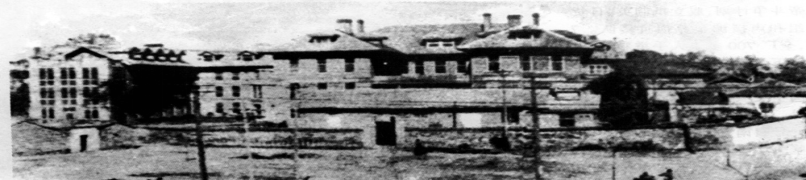
Gulou Hospital, located within the Safety Zone, took in and treated many Nanjing civilians who were wounded by the Japanese army
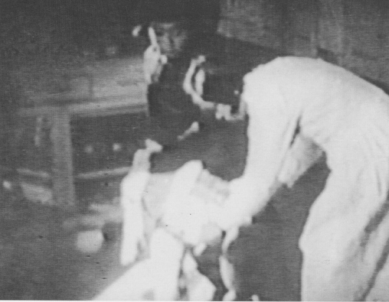
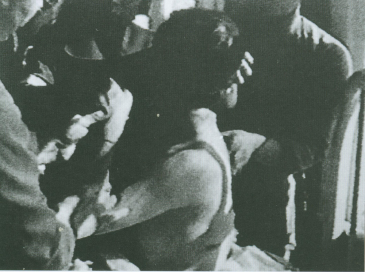
The doctors and nurses of Gulou Hospital were cleaning and wrapping up the wounds for the wounded Nanjing civilians
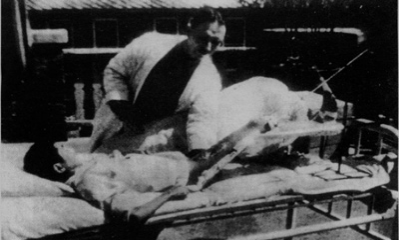
Wilson was treating a fourteen-year-old child whose right leg was wounded by the Japanese army