
During the Nanjing Massacre, Rabe and the International Committee for Safety Zone established 25 refugee homes, providing them with food and lodging and went all out to protect them from Japanese killings. More than 250,000 citizens and disarmed soldiers of Nanjing sought refuge in the Safety Zone and were saved from the Japanese slaughter.
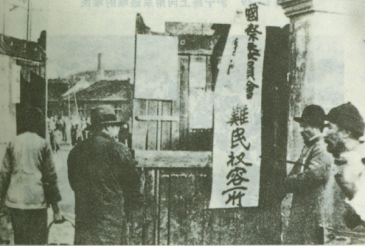
Refugee home in the Safety Zone
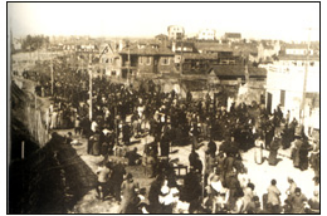
Shanghai Rd. in the Safety Zone, crowded with refugees
The Nanjing Safety Zone, also called Refugee Zone, covered an area of 3.86 square kilo-meters. It was centered around the American Embassy and missionary schools such as the University of Nanking. Within the Safety Zone, there were 25 refugee camps located in the office buildings of the Ministry of Communications, Huaqiao Hostel, Nanking Women’s College of Arts and Sciences, the Supreme Court, the University of Nanking, etc. Before and after the fall of Nanjing, big numbers of Nanjing civilians and refugees from outside flooded into the Refugee Zone. A few disarmed Chinese soldiers also took refuge in the Safety Zone. As a result, all the refugee camps were overcrowded to the point of dysfunction.
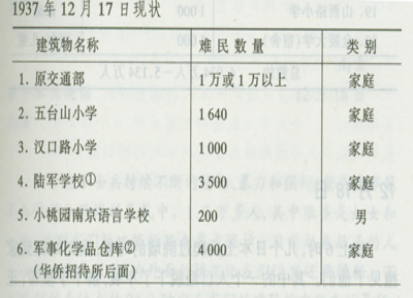
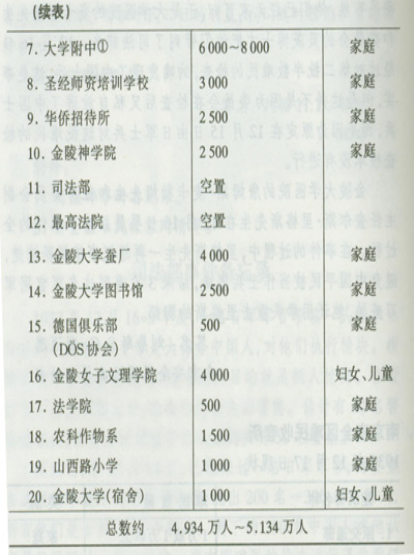
Statistic Charts of Refugee Camps in the Nanjing Safety Zone on December 17, 1937
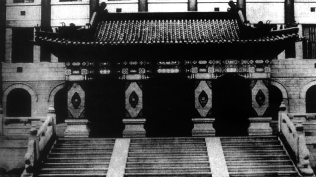
Refugee Camp within the office building of the Ministry of Communications
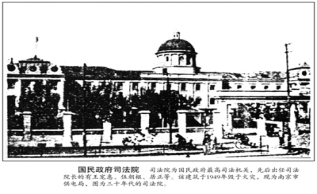
Refugee Camp within the office building of the Department of Justice
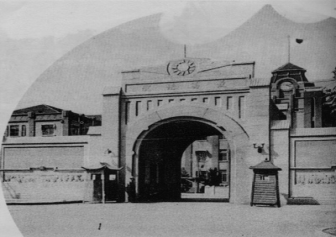
Refugee Camp within the Supreme Court
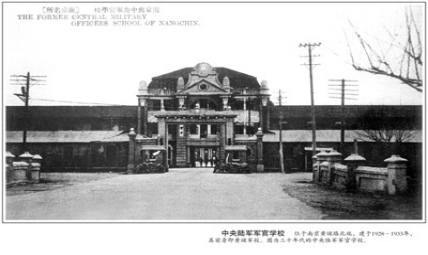
Refugee Camp within the Military Academy
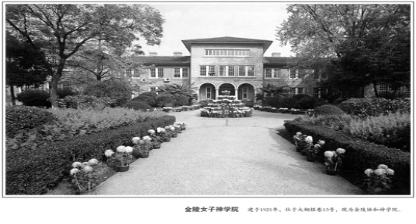
Refugee Camp within Nanking Seminary
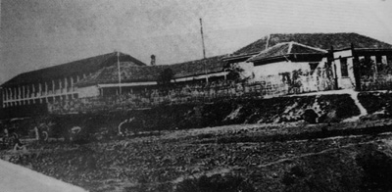
Refugee Camp within the Primary School of Hankou Road
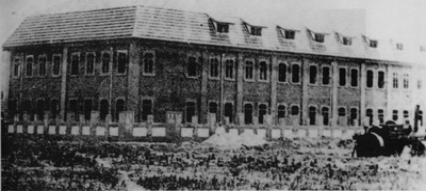
Refugee Camp within the Wutaishan Primary School
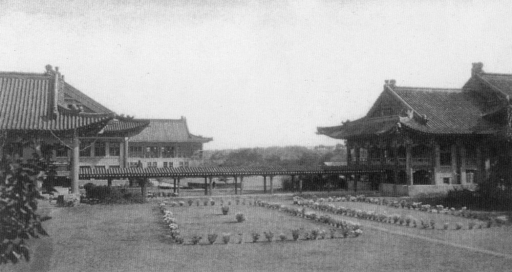
Refugee Camp within Nanking Women’s College of Arts and Sciences
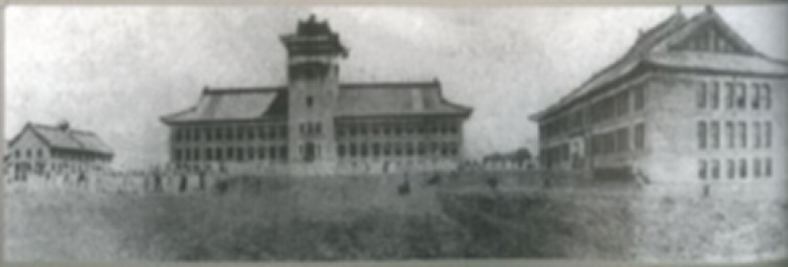
Refugee Camp on the campus of the University of Nanking
At the end of January, 1938, the Japanese military authorities began to force the refugees living in the Safety Zone to return to their own homes. On the 18th of February, the International Committee for Nanjing Safety Zone was forced to close and it was renamed as Nanjing International Relief Committee. John Rabe was also called back to Germany in the same month.
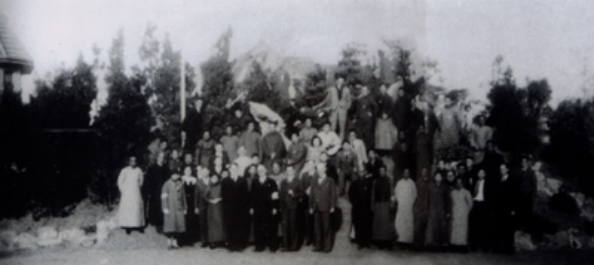
The above is a group picture of Rabe (middle with white armband) with the members of International Committee for Nanjing Safety Zone and its clerks taken at the time of its close-down
On Feb 17, Vautrin organized a farewell tea party for John Rabe at the refugee camp in the Women’s College of Nanking. When the party was over and Rabe walked out of the auditorium, over 3000 women refugees knelt down on their knees and cried out in tears, asking Rabe not to leave them unprotected. Rabe, with a heavy heart, appointed Priest Wilson Plumer Mills to take over his job.
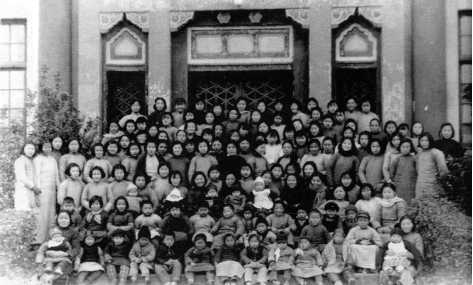
Group photo of part of the refugees at the refugee camp in the Women’s College of Nanking
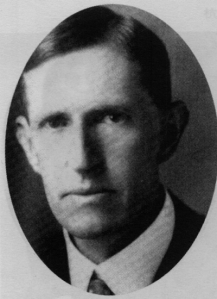
Wilson Plumer Mills
Rabe left Nanjing on 23 February 1938, and the International Committee for Nanjing Safety Zone held highly of his contributions. The Nationalist Government awarded him a blue Jade medal with tri-colored ribbon. On his arrival in Shanghai, Rabe received enthusiastic greetings from the local people. The journey back to Germany began on 16 March. While Rabe was still on his way back home, Oskar Trautmann, the German Ambassador to China, proposed to the German Red Cross to award him a medal. John Rabe arrived in Berlin on 15 April.

The blue Jade medal with tri-colored ribbon, awarded to Rabe by the Nationalist Government of China in 1938

Medal awarded to Rabe by the German Red Cross
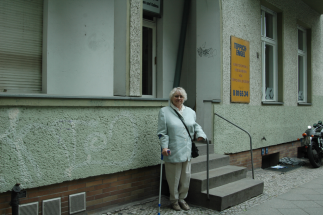
Rabe’s residence in Berlin after returning to Germany